
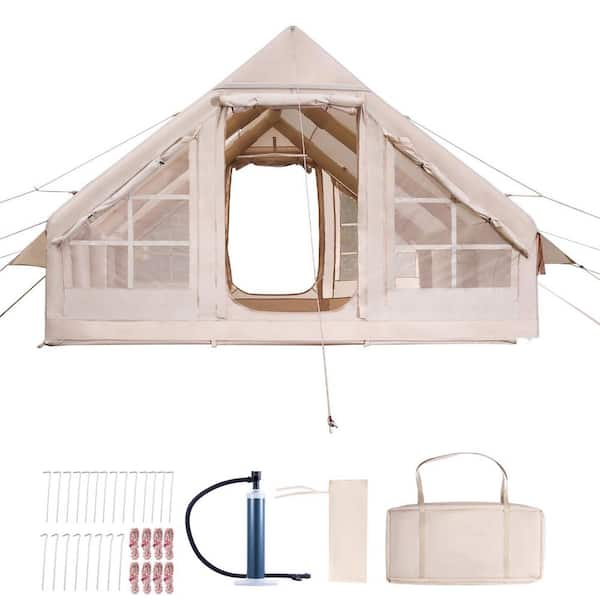


The Ultimate Guide to Inflatable Tents: Everything You Need to Know in 2025
Table of Contents
- 1. What Are Inflatable Tents? Understanding the Technology
- 2. How Inflatable Tents Actually Work
- 3. Complete Pros and Cons Analysis
- 4. Addressing Common Fears and Concerns
- 5. Inflatable vs. Traditional Pole Tents: The Full Comparison
- 6. Inflatable vs. Popup, Cabin, and Other Tent Types
- 7. Edge Cases and Extreme Conditions
- 8. Maintenance, Care, and Repair Guide
- 9. Comprehensive Buying Guide
- 10. When to Choose Inflatable (and When Not To)
- 11. Troubleshooting Common Issues
- 12. Real-World User Scenarios and Case Studies
- 13. Final Verdict and Recommendations
1. What Are Inflatable Tents? Understanding the Technology
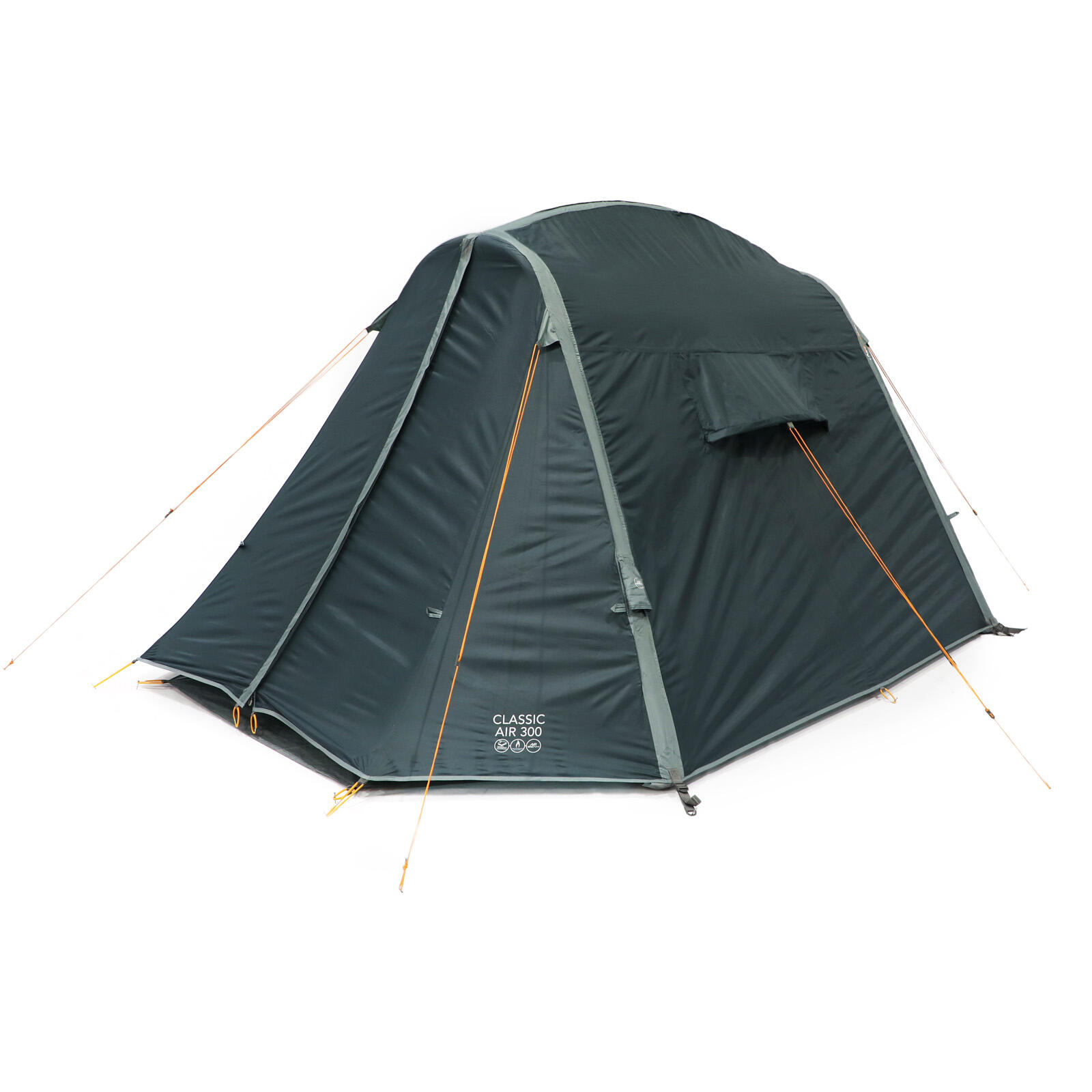
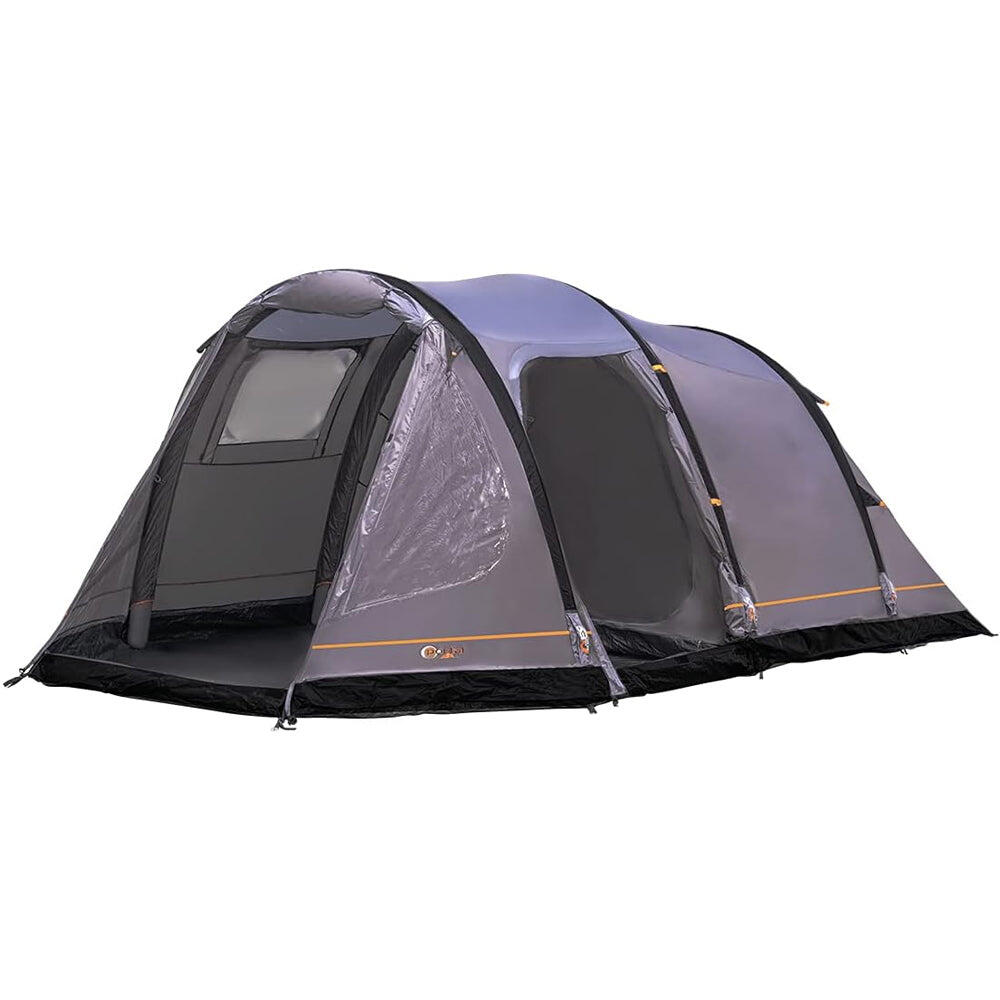
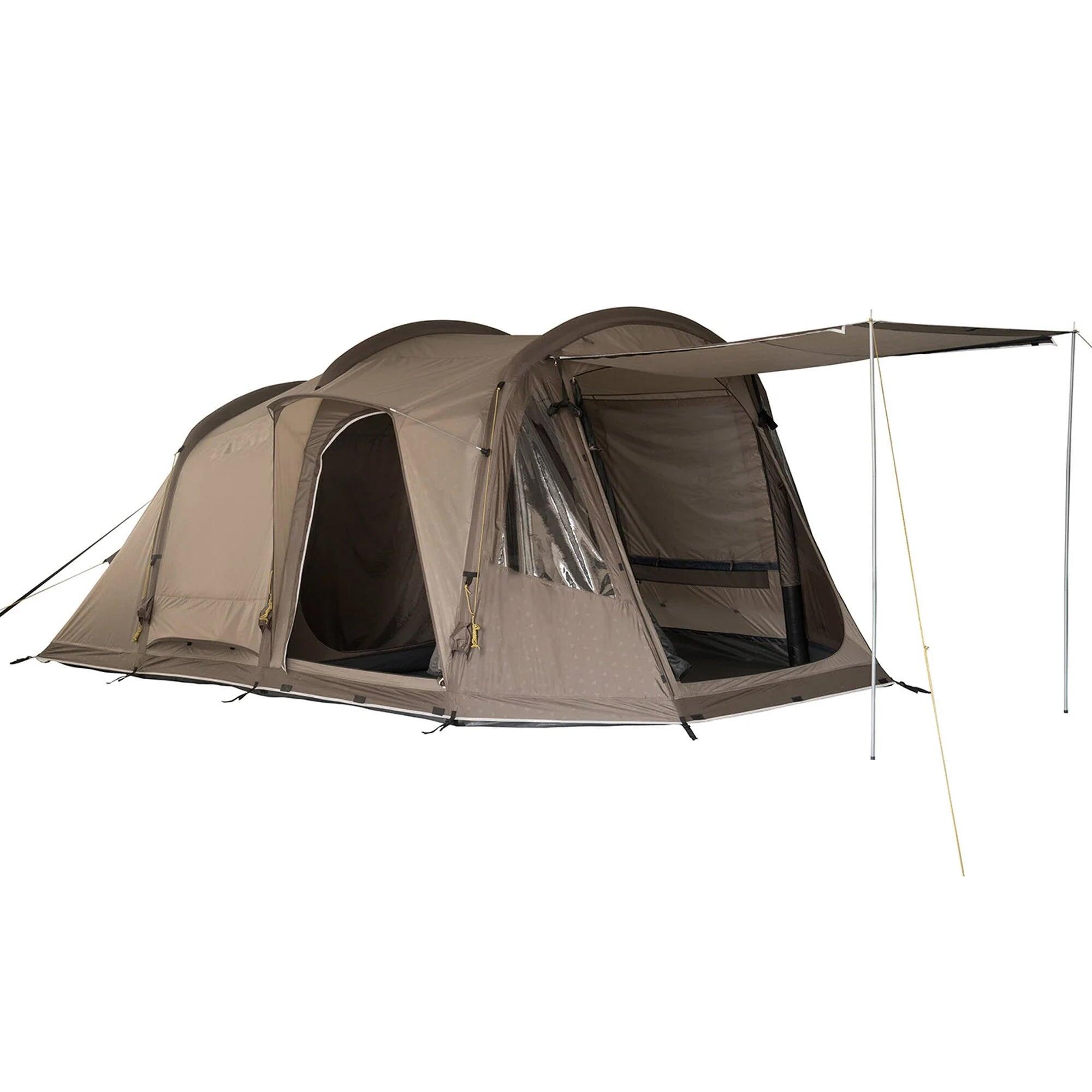
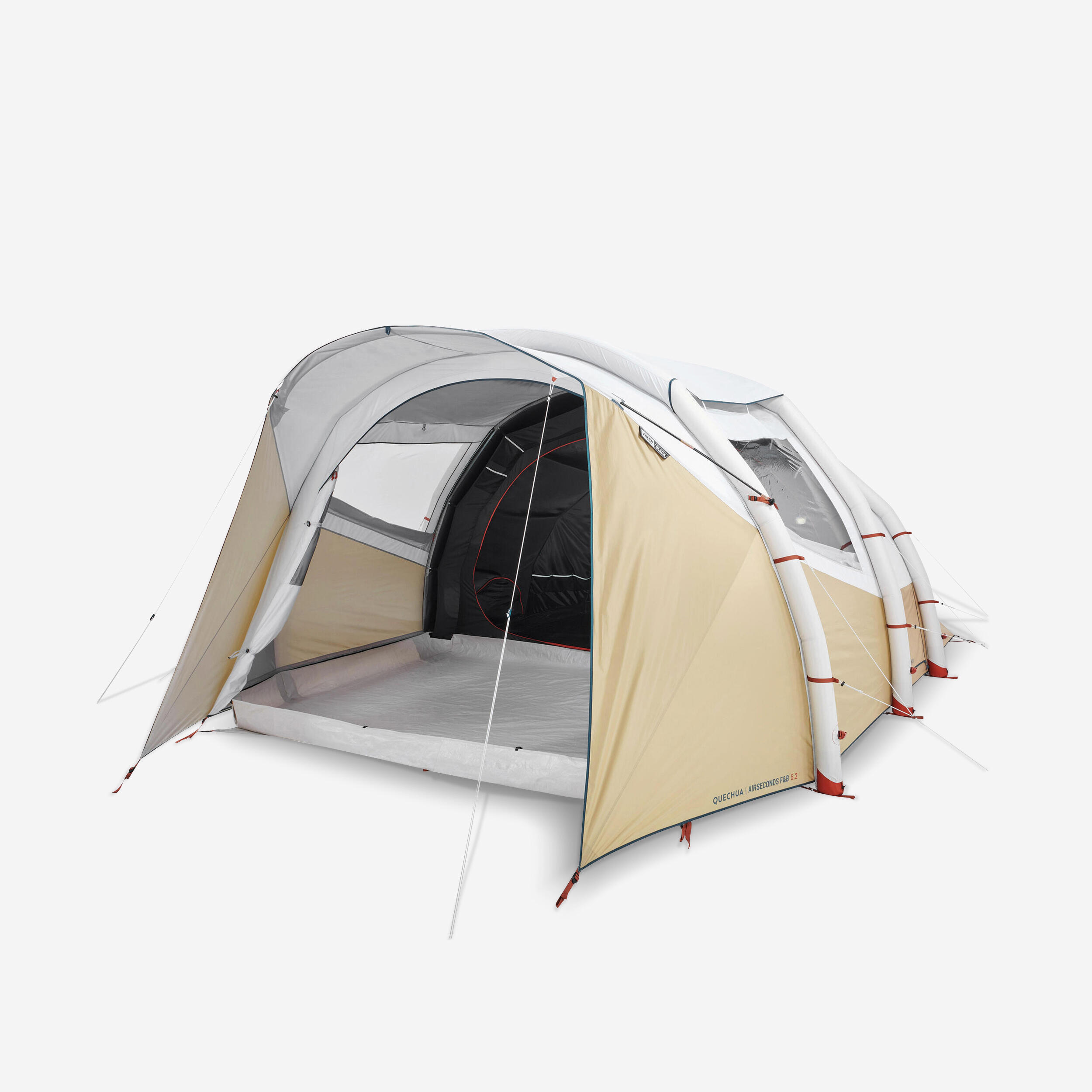
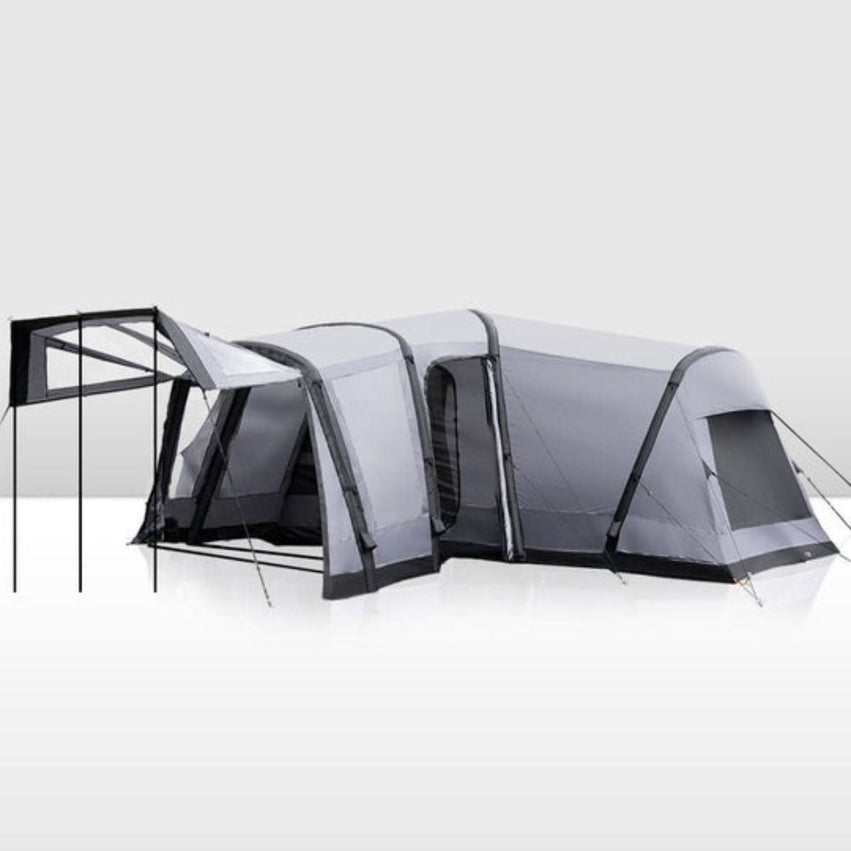
Inflatable tents—also known as air tents, air beam tents, or blow-up tents—replace traditional rigid tent poles with inflatable tubes or beams filled with air. Instead of threading poles through fabric sleeves and wrestling with ferrule connections, you simply pump air into the structural beams, and your tent rises into shape within minutes.
The Evolution from Gimmick to Genuine Innovation
When inflatable tents first appeared on the consumer market in the early 2010s, skepticism was understandable. The concept seemed too good to be true: could air-filled tubes really replace the proven reliability of aluminum or fiberglass poles? Early models faced legitimate concerns about durability and puncture resistance.
Fast forward to 2025, and inflatable tent technology has matured dramatically. Modern air beams use multiple layers of high-tenacity fabrics, advanced valve systems, and engineered pressure levels that make today's inflatable tents genuinely robust camping solutions. Major outdoor brands like Vango, Outwell, Coleman, Berghaus, and Zempire have invested heavily in refining this technology, turning what was once a novelty into a mainstream camping choice.
The Core Components
Understanding what makes an inflatable tent work helps demystify the technology:
- Air Beams (Tubes): These replace traditional poles. Constructed from multiple layers of PVC, polyurethane-coated fabrics, or TPU (thermoplastic polyurethane), these tubes become rigid when inflated to the manufacturer's specified pressure—typically between 7-10 PSI.
- Valve System: High-quality inflatable tents use one-way valves that make inflation easy while preventing accidental deflation. Premium models feature single-point inflation where one valve inflates all beams simultaneously.
- Tent Fabric: The outer flysheet and inner tent materials are identical to traditional tents—polyester or polycotton with waterproof coatings measured in millimeters (typically 3000mm-5000mm hydrostatic head rating).
- Pump: Most tents include a hand pump or foot pump. Electric pumps (battery or mains-powered) are available for even faster setup.
- Pressure Relief Valves: These automatically release excess pressure if the tent gets too hot, preventing over-inflation damage.
2. How Inflatable Tents Actually Work
The Setup Process: Step-by-Step
Setting up an inflatable tent is remarkably straightforward:
- Lay Out the Tent: Unpack and spread the tent on your pitch, similar to any traditional tent.
- Peg the Corners: Secure the four corners with pegs to keep the tent in position.
- Connect the Pump: Attach your pump to the inflation valve(s). Single-point inflation systems let you inflate all beams from one valve; multi-valve systems require inflating each beam separately.
- Inflate: Pump air into the beams until they reach the recommended pressure (usually indicated by the beams becoming firm to touch, or using a pressure gauge if provided).
- Secure and Adjust: Peg out guy lines and adjust tension for optimal stability.
- Add Inner Tent (if separate): Some models have detachable inner tents that clip or toggle into place.
The entire process typically takes 10-15 minutes for family-sized tents, compared to 30-45 minutes for equivalent pole tents.
The Science of Structural Integrity
How can air provide the same structural support as aluminum poles? The answer lies in pressure and geometry:
- Pressure Distribution: When inflated to 7-10 PSI, air beams become remarkably rigid. This pressure distributes force evenly across the beam's surface, creating a structure that resists bending.
- Flexibility Under Load: Unlike rigid poles that can snap when subjected to excessive force, air beams flex and absorb energy. In high winds, they bend with gusts rather than resisting them, then return to their original shape—similar to how skyscrapers sway in storms.
- Redundancy: Most inflatable tents use multiple independent air beams. If one beam were to fail (extremely rare), the others continue supporting the structure, allowing safe continued use or controlled pack-up.
3. Complete Pros and Cons Analysis
✅ Advantages of Inflatable Tents
- Rapid Setup: Typically 60-70% faster than pole tents
- Single-Person Friendly: One person can pitch even large family tents
- No Broken Poles: Eliminate the most common tent failure point
- Wind Performance: Flexible beams absorb gusts rather than resisting them
- Less Bulk: No rigid pole bag to pack separately
- Intuitive Setup: No pole routing diagrams or assembly confusion
- Quiet in Wind: No pole rattling or metallic noise
- Faster Pack-Down: Simply deflate and fold
- Age-Friendly: Easier for older campers or those with mobility issues
- Great for Families: Parents can set up while kids play safely
❌ Disadvantages of Inflatable Tents
- Higher Initial Cost: Typically 30-50% more expensive than equivalent pole tents
- Weight Penalty: Usually 1-3 kg heavier than comparable pole tents
- Pump Dependency: Without a pump, you have no tent
- Puncture Risk: Though rare, it's a unique failure mode
- Pack Size: Often slightly bulkier than pole tent equivalents
- Temperature Sensitivity: Air pressure changes with temperature (minor issue)
- Repair Complexity: Finding and patching leaks requires specific techniques
- Pump Noise: Setup isn't silent (though brief)
- Limited Ultralight Options: Not ideal for backpacking
- Learning Curve: Different maintenance requirements than pole tents
4. Addressing Common Fears and Concerns
Let's tackle the questions and fears that stop people from trying inflatable tents. These are based on real concerns from camping forums, Reddit threads, and customer reviews.
Fear #1: "Won't it just pop and leave me with a collapsed tent?"
The Reality: Catastrophic sudden deflation is extraordinarily rare. Here's why:
- Air beams are constructed from multiple layers of puncture-resistant material—not like a balloon
- Even if punctured, air escapes slowly over hours, not instantly
- Multiple independent beams mean one failure doesn't collapse the entire tent
- Modern valves prevent air escaping unless deliberately opened
- User surveys suggest puncture rates of less than 1% over typical tent lifespans
Real-World Evidence: Thousands of campers use inflatable tents in festivals, campgrounds, and wild camping with extremely low failure rates. When issues do occur, they're typically slow leaks easily managed until pack-up.
Fear #2: "What happens in a storm? Will the beams blow away?"
The Reality: Inflatable tents often perform BETTER in wind than rigid pole tents.
- Flexible air beams bend with wind gusts, absorbing energy that would snap rigid poles
- The flexibility prevents the catastrophic failure that occurs when aluminum poles bend permanently or fiberglass poles splinter
- Properly pegged inflatable tents have stood firm in Force 8 gales (39-46 mph winds)
- The lower center of gravity in many tunnel-style inflatables improves stability
The Catch: Like ALL tents, proper pegging and guy line tensioning is critical. An inflatable tent pitched poorly will fail, but so will a pole tent. The difference is that inflatable tents are often easier to pitch correctly because there's less complexity.
Fear #3: "What if my pump breaks or I forget it?"
The Reality: This is a legitimate concern requiring practical solutions.
- Always carry a backup: A simple foot pump or manual pump weighs very little and solves this entirely
- Lung power works (barely): You CAN inflate an air tent by mouth, though it takes 30-45 minutes and serious lung capacity. Not ideal, but possible in emergencies
- Borrow from neighbors: Electric pumps for airbeds, SUPs, or other inflatables usually work with adapter nozzles
- Redundancy in the system: Many campers keep a cheap backup pump permanently in their camping gear box
Pro Tip: Attach a small manual backup pump to your tent bag with a carabiner. It adds minimal weight and solves this fear completely.
Fear #4: "Do they deflate overnight from temperature changes?"
The Reality: Minor pressure loss from cooling is normal and harmless.
- As air cools at night, pressure drops slightly (physics: Gay-Lussac's Law)
- This is NOT a leak—it's temperature-related contraction
- The tent won't collapse; beams just feel slightly less taut
- A few pumps in the morning restores full pressure if desired (usually unnecessary)
- Quality tents with pressure relief valves handle expansion from daytime heating automatically
What's Actually Happening: Inflate your tent at 3pm when it's 25°C. By 3am when it's 10°C, the air inside has contracted. This is basic thermodynamics, not a defect. Come morning as the sun warms the tent, pressure returns naturally.
Fear #5: "Are they really durable, or just a gimmick?"
The Reality: Modern inflatable tents rival or exceed pole tent durability when used correctly.
- Lifespan: Expect 5-10+ years with proper care—comparable to pole tents
- Material Quality: Reputable brands use the same flysheet materials as traditional tents
- Beam Durability: The air beams themselves are typically the most durable part of the tent
- Failure Modes: Seam failure, zipper breakage, and fabric tears—the same issues affecting pole tents—are more common than beam failure
The Evidence: Festival hire companies, glamping operations, and expedition outfitters use inflatable tents specifically BECAUSE they're durable. When your business depends on reliability, you don't choose gimmicks.
Fear #6: "What about repairs? Can I fix a punctured beam in the field?"
The Reality: Repairs are possible and surprisingly straightforward.
- Most tents include a repair kit with patches and adhesive
- Finding leaks: inflate the beam, listen for hissing, or apply soapy water to see bubbles
- Temporary fixes: Duct tape, bicycle inner tube patches, or even duct seal work temporarily
- Permanent repairs: Similar to fixing an air mattress—clean, patch, cure
- Replacement beams: Available for most major brands if beyond repair
Comparison: Ask yourself: is patching an air beam harder than replacing a snapped tent pole at 11pm in the rain? Both have solutions; inflatable repairs are often easier.
Fear #7: "They must be heavier and bulkier than pole tents"
The Reality: Mostly true, but the difference is smaller than you think.
- Weight penalty: typically 1-3 kg heavier than comparable pole tents (for family sizes)
- The air beams themselves are lightweight; the extra weight comes from valve hardware and slightly reinforced stress points
- Pack size can be similar or slightly larger—there's no rigid pole bag, but the deflated beams occupy space
- For car camping (vast majority of users), this difference is irrelevant
- For cycle touring or motorcycle camping, consider carefully
- For backpacking, this IS a dealbreaker—stick with ultralight pole tents
Fear #8: "Are they safe in extreme weather?"
The Reality: Generally yes, with caveats (see detailed section below).
- Wind: Excellent performance as discussed above
- Rain: Identical to pole tents—depends on waterproof ratings
- Snow: Handle moderate snow loads well; air beams distribute weight
- Extreme Cold: Some performance considerations (addressed in Edge Cases section)
- Heat: Pressure relief valves prevent over-pressurization
Fear #9: "What if I buy one and hate it?"
The Reality: User satisfaction rates are exceptionally high.
- Survey data from camping retailers shows 85-90% customer satisfaction
- Common sentiment: "I'll never go back to pole tents"
- Resale values are good—demand for second-hand inflatables is strong
- Many brands offer trial periods or satisfaction guarantees
The Pattern: Most dissatisfaction comes from buying cheap, off-brand inflatables. Stick with reputable brands and the likelihood of regret is minimal.
5. Inflatable vs. Traditional Pole Tents: The Full Comparison
This is the comparison most people want—a detailed, honest assessment of inflatable versus traditional pole tents across every relevant dimension.
| Factor | Inflatable Tents | Traditional Pole Tents | Winner |
|---|---|---|---|
| Setup Time | 10-15 minutes typical | 25-40 minutes typical | ✅ Inflatable (60-70% faster) |
| Setup Ease | Extremely intuitive, one person capable | Often requires 2 people, more complex | ✅ Inflatable (significantly easier) |
| Initial Cost | £300-£1500+ typical range | £150-£800 typical range | ✅ Pole Tent (30-50% cheaper) |
| Weight | 15-25kg for family tents | 12-20kg for family tents | ✅ Pole Tent (10-20% lighter) |
| Pack Size | 70-100L typical | 60-90L typical | ✅ Pole Tent (slightly more compact) |
| Wind Performance | Excellent - flex with gusts | Good - but poles can snap | ✅ Inflatable (better flex response) |
| Durability | Excellent (5-10+ years) | Excellent (5-10+ years) | 🤝 Tie (both very durable) |
| Common Failure Mode | Slow leak (rare, repairable) | Bent/snapped pole (common, fixable) | 🤝 Tie (both have solutions) |
| Repair Difficulty | Moderate - patching required | Easy - pole splints or replacements | ✅ Pole Tent (simpler field repair) |
| Weather Protection | Identical materials available | Identical materials available | 🤝 Tie (same waterproof ratings) |
| Noise in Wind | Quiet - no pole rattling | Can be noisy - poles rattle | ✅ Inflatable (quieter nights) |
| Backpacking Suitable | No - too heavy | Yes - ultralight options exist | ✅ Pole Tent (by far) |
| Car Camping Suitable | Excellent | Excellent | ✅ Inflatable (convenience advantage) |
| Resale Value | Good - strong used market | Good - established market | 🤝 Tie (both hold value well) |
| Brand Variety | Growing - major brands available | Huge - decades of options | ✅ Pole Tent (more choice) |
When to Choose Inflatable Over Pole
Choose inflatable tents if you:
- Camp regularly (3+ times per year) where setup time adds up
- Often arrive at campsites late or in poor weather
- Camp solo or need to pitch without assistance
- Have mobility issues or find pole assembly difficult
- Value your time and are willing to pay for convenience
- Camp with young children who can play while you set up quickly
- Want to eliminate the most common tent failure (broken poles)
- Participate in festivals where fast setup is crucial
When to Stick With Pole Tents
Choose pole tents if you:
- Camp infrequently (once per year) where investment isn't justified
- Have a tight budget and need maximum value
- Backpack or need ultralight options
- Camp in extremely remote areas where pump failure would be critical
- Prefer proven, decades-old technology
- Already own a good pole tent and see no reason to switch
- Want the widest possible brand and model selection
💡 The Honest Truth
Both systems work brilliantly. The inflatable vs. pole debate isn't about which is objectively "better"—it's about which advantages matter to YOU. Setup speed and ease favor inflatables. Budget and weight favor poles. For the typical family car camper, inflatable advantages outweigh the premium cost. For the budget-conscious occasional camper, poles offer better value.
6. Inflatable vs. Popup, Cabin, and Other Tent Types
Inflatable vs. Instant/Popup Tents
Instant/Popup Tents feature pre-attached poles in a folding hub system. You unfold them and they "pop up" into shape.
| Feature | Inflatable | Instant/Popup |
|---|---|---|
| Setup Speed | 10-15 minutes | 2-5 minutes (fastest) |
| Pack Size | Moderate | Large/awkward (pre-attached poles) |
| Durability | Excellent | Good (hubs can fail) |
| Size Options | 2-10+ person tents available | Usually limited to 2-4 person |
| Storage | Folds down normally | Often circular, hard to store |
Verdict: Popup tents win on pure speed but sacrifice storage convenience and size options. Inflatables offer better balance of speed, pack size, and durability. Popups excel for solo campers wanting absolute minimum setup time.
Inflatable vs. Cabin/Canvas Tents
Cabin Tents are large, vertical-walled tents designed for extended stays, often in canvas.
Different Use Cases: These aren't direct competitors. Cabin tents prioritize space and comfort for semi-permanent setups. Inflatable tents prioritize portability and setup ease.
- Cabin Advantages: Maximum interior space, vertical walls, often wood stove compatible, luxurious comfort
- Cabin Disadvantages: Heavy (30-60kg), expensive (£600-£3000+), long setup (1-2 hours), not portable
- When Cabin Beats Inflatable: Base camping for weeks, glamping operations, hunting camps
- When Inflatable Beats Cabin: Everything else—mobility, festivals, weekend trips, touring
Inflatable vs. Geodesic/Dome Tents
Geodesic Tents use multiple crossing poles for maximum wind resistance, favored by mountaineers.
Different Leagues: Geodesic tents are for extreme alpine conditions. If you're mountaineering above tree line in winter, you need a geodesic tent, not an inflatable. For family camping, festivals, and general outdoor use, inflatables are far more practical.
7. Edge Cases and Extreme Conditions
Let's explore scenarios beyond typical camping—the edge cases that reveal an inflatable tent's true capabilities and limitations.
Extreme Cold (-10°C to -30°C / 14°F to -22°F)
The Physics: Air contracts when cold (approximately 3-4% pressure loss per 10°C drop). In extreme cold, your beams will feel softer.
Real-World Performance:
- Inflatable tents WORK in sub-zero temperatures—users report success down to -20°C
- You'll need to top up pressure more frequently (every 12-24 hours vs. never in summer)
- The beams don't freeze or become brittle; TPU and PVC remain flexible to -40°C
- Condensation management becomes critical—same as any tent in cold
Practical Adaptations:
- Inflate to the UPPER end of recommended pressure before bed
- Store pump inside your sleeping bag so it's warm and functional
- Some winter campers slightly over-inflate (5-10% above normal) to compensate for overnight contraction
- Check pressure morning and evening rather than obsessing hourly
The Verdict: Usable but not ideal. If winter camping is your primary activity, consider 4-season geodesic or dome tents. For occasional winter use, quality inflatables handle it fine with minor adjustments.
Extreme Heat (35°C+ / 95°F+)
The Physics: Air expands when hot. This is why quality inflatable tents include pressure relief valves.
Real-World Performance:
- Pressure relief valves automatically vent excess pressure—no action needed
- In extreme heat without relief valves, over-pressurization could stress seams
- Afternoon sun can make beams feel very taut; this is normal and safe
Practical Tips:
- Never over-inflate in hot conditions; let the relief valves do their job
- Pitch with some shade if possible, or use a reflective flysheet
- Check that your tent HAS pressure relief valves (all quality brands do)
The Verdict: No issues with quality tents. The pressure relief valve technology solves this completely.
High Altitude (2000m+ / 6500ft+)
The Physics: Lower atmospheric pressure at altitude means less surrounding pressure compressing your air beams.
Real-World Performance:
- Air beams feel slightly softer at altitude because there's less external pressure
- The tent still stands fine; the effect is noticeable but not problematic
- You may want to add a few extra pumps for psychological comfort
Practical Consideration:
- If you inflate at sea level and drive to altitude, beams will feel tighter (air expanded)
- If you inflate at altitude and descend, beams will feel softer (air compressed)
- Always check and adjust pressure after significant elevation changes
The Verdict: Non-issue for typical altitude camping (most campsites are below 2000m). For serious mountaineering above 4000m, use geodesic tents designed for the application.
Coastal/Beach Camping with Salt Air
The Concern: Will salt air corrode or damage air beams?
The Reality:
- Air beams are made from synthetic materials (TPU, PVC, polyurethane) that don't corrode
- Salt affects metal poles far more than inflatable beams
- The bigger concern is sand—keep valves clean and covered when not in use
Maintenance:
- Rinse tent with fresh water after beach camping (same as any tent)
- Ensure valves are sand-free before packing away
- Beach camping is actually WHERE inflatables shine—no poles to corrode, no sand in pole sections
The Verdict: Excellent for beach camping—possibly better than pole tents due to no metal corrosion.
Long-Term/Semi-Permanent Setup
The Scenario: Leaving a tent pitched for weeks or months (glamping, seasonal camping, semi-permanent sites).
Considerations:
- Air beams handle long-term setup well; pressure is maintained for weeks
- UV degradation affects flysheet material, not beams—same concern as any tent
- Slow pressure loss over weeks is normal; top up every 1-2 weeks
- Weather cycling (hot days, cold nights) works valves and materials—beneficial break-in
Known Issues:
- Glamping operations report excellent longevity with proper maintenance
- Some cheaper tents develop slow leaks after months of continuous pressure—quality brands don't
- Valves are the most likely wear point in semi-permanent setups
The Verdict: Well-suited to semi-permanent use. Many glamping sites use inflatables specifically for durability and ease of occasional repositioning.
Forest Camping with Puncture Hazards
The Concern: Sticks, thorns, and sharp forest debris puncturing beams.
The Reality:
- Air beams are thick and puncture-resistant—far tougher than you'd expect
- Normal camping hazards (sticks, pinecones, rocks) virtually never puncture beams
- The beams are protected by the tent fabric itself in most designs
- You'd need to deliberately stab a beam with significant force to puncture it
Comparison: Forest debris is more likely to tear your flysheet (same risk for pole tents) than puncture an air beam. The fear of punctures is massively overblown.
Heavy Snow Loads
Performance:
- Tunnel-style inflatables handle moderate snow well; sloped design sheds snow
- Dome-style inflatables can accumulate snow on top
- Air beams distribute weight better than point-load poles in some designs
- Heavy wet snow (common in spring) is a concern for ANY tent, not specific to inflatables
Best Practice:
- Brush snow off periodically, just like any tent
- Ensure proper inflation to maintain structural integrity
- Choose tunnel designs over domes for snow camping
Constant Movement/Touring Camping
The Scenario: Moving campsites daily, setting up and packing repeatedly.
Why Inflatables Excel:
- The 20-30 minutes saved per setup adds up massively on multi-day tours
- Less physical fatigue from repeated setup/takedown
- No accumulated wear on poles that don't exist
- Faster pack-down when you want an early start
Touring Cyclist/Motorcyclist Consideration:
- The weight/bulk penalty is the limiting factor
- For car/van touring: inflatables are ideal
- For bicycle touring: carefully consider whether the convenience justifies the extra 2-3 kg
- For motorcycle touring: depends on your packing capacity
8. Maintenance, Care, and Repair Guide
Proper Setup to Prevent Damage
Most "failures" are actually user error. Here's how to pitch properly:
- Clear Your Pitch: Remove sharp stones, sticks, and debris before laying out the tent
- Use a Footprint/Groundsheet: Protects the tent floor and beams from ground punctures
- Don't Over-Inflate: Inflate until beams are firm to touch, not rock-hard. Over-inflation stresses seams and valves
- Peg Before Inflating: Secure corners first so the tent doesn't move during inflation
- Tension Guy Lines Properly: Too loose = flapping, too tight = stress on attachment points
- Check Pressure After First Night: Some air works its way through the system; top up if needed
After Each Trip: Essential Care
- Deflate Properly:
- Open all valves fully
- Gently press on beams to expel air
- Don't force air out violently—gentle pressure is enough
- Dry Completely Before Storage:
- This is CRITICAL—moisture causes mildew and delamination
- If you packed wet, unpack and dry within 48 hours
- Hang in a garage, drape over furniture, or pitch in the garden to dry
- Clean if Dirty:
- Brush off dried mud and dirt
- Wipe with lukewarm water and mild soap if necessary
- Never use harsh detergents, bleach, or washing machines
- Check Valves:
- Ensure valve caps are clean and seal properly
- Remove any sand, dirt, or debris from valve threads
Long-Term Storage
- Store Loosely Folded: Don't compress tightly long-term; store in a large, breathable bag
- Cool, Dry Location: Avoid garages that get very hot in summer or damp in winter
- Keep Rodent-Free: Mice and rats love tent bags as nesting material
- Partial Inflation During Storage (Optional): Some users pitch their tent in the garage over winter to "rest" the beams; not essential but doesn't hurt
- Avoid UV Exposure: Don't store where direct sunlight hits the bag for months
Annual Inspection Checklist
Before the camping season, inspect your tent:
Annual Pre-Season Checklist
- Inflate all beams and listen for hissing sounds (indicates leaks)
- Check all seams for separation or damage
- Inspect zippers—replace pulls if broken, lubricate if stiff
- Test all valves—ensure they open, close, and seal properly
- Check guy lines and tensioners for wear
- Inspect pegging points for tears or worn fabric
- Apply seam sealer if any seams show signs of aging
- Verify your pump works and you have backup inflation method
- Count your pegs—replace any missing or bent ones
Repairing Punctures and Leaks
Finding the Leak
- Inflate the Suspect Beam: Inflate to full pressure
- Listen: In a quiet environment, you might hear hissing
- Soapy Water Test: Mix dish soap and water, apply to the beam surface with a sponge, and watch for bubbles forming at the leak
- Submerge (for small beams): If possible, submerge in water and watch for air bubbles
- Mark the Spot: Once found, mark with a marker or tape
Repair Process
For Small Punctures (< 5mm):
- Deflate the beam completely
- Clean the area around the puncture with rubbing alcohol
- Rough up the surface slightly with fine sandpaper (helps adhesion)
- Apply TPU/PVC patch adhesive (usually included in repair kit, or buy vinyl cement)
- Press patch firmly over puncture
- Place weight on patch and let cure 24 hours
- Test by inflating and checking for leaks
For Larger Tears (> 5mm):
- Same process but use larger patch (cover 2cm beyond tear on all sides)
- For tears along seams, consider inside AND outside patches
- Very large damage may require replacement beam (contact manufacturer)
Emergency Field Repairs:
- Duct tape: Provides temporary seal for the rest of your trip
- Bicycle tire patch kit: Works in a pinch
- Tenacious Tape: Purpose-made for outdoor gear repair, works well temporarily
Valve Issues
Valve Won't Seal (Slow Leak):
- Clean valve and cap threads thoroughly
- Check O-ring inside valve cap—replace if worn
- Apply tiny amount of silicone grease to O-ring (improves seal)
- If valve body is cracked, replacement valves are available from manufacturers
Reproofing Waterproofing
After 5-7 years of use, your tent's water-repellent coating may degrade:
- Purchase tent-specific waterproofing spray or liquid (Nikwax, Grangers, etc.)
- Clean tent thoroughly and let dry
- Apply reproofing product according to manufacturer instructions
- Pay extra attention to seams and high-wear areas
- This is identical to pole tent maintenance—nothing specific to inflatables
When to Seek Professional Repair vs. DIY
DIY is Fine For:
- Small punctures
- Valve cap replacement
- Zipper lubrication
- Minor seam sealing
Professional Repair Recommended For:
- Seam delamination (separation)
- Large beam tears
- Valve body replacement
- Structural fabric tears near stress points
Many tent manufacturers and outdoor gear shops offer repair services. Cost is typically £30-£100 depending on damage severity—often worth it for an expensive tent.
9. Comprehensive Buying Guide
Not all inflatable tents are created equal. Here's how to identify quality and avoid disappointment.
Brand Reputation Matters (A Lot)
Tier 1: Proven Reliable Brands
- Vango: Pioneer of inflatable tents, extensive range, excellent warranty
- Outwell: Premium quality, innovative designs, higher price point
- Coleman: Mid-range pricing, good value, widely available
- Berghaus: Excellent wind performance, quality construction
- Zempire: New Zealand brand, great for demanding conditions
- Kampa: Good value, growing reputation
- Outdoor Revolution: UK brand, innovative features
Tier 2: Decent Budget Options
- Decathlon/Quechua: Best budget choice, surprisingly good quality for price
- Eurohike: Budget-friendly, adequate for occasional use
Red Flags: Avoid
- Unknown Chinese brands on Amazon with generic names
- Tents with dozens of 5-star reviews posted on the same day (fake reviews)
- Prices significantly below market (if it seems too good to be true...)
- No mention of waterproof ratings or beam material
- No warranty or manufacturer support information
Key Specifications to Check
1. Hydrostatic Head (Waterproof Rating)
- Minimum: 3000mm for flysheet, 5000mm for groundsheet
- Good: 4000mm flysheet, 6000mm+ groundsheet
- Excellent: 5000mm+ flysheet, 8000mm+ groundsheet
2. Beam Material
- TPU (Thermoplastic Polyurethane): Best choice—durable, cold-resistant, long-lasting
- PVC Coated Fabric: Good—common in quality tents
- Avoid: Listings that don't specify material
3. Valve System
- Single-Point Inflation: All beams inflate from one valve (premium feature)
- Multi-Valve: Each beam has its own valve (more common, still fine)
- Must Have: Pressure relief valves (usually automatic)
- Red Flag: No mention of valve type at all
4. Beam Construction
- Number of Beams: More beams = more redundancy = better (3-5 typical for family tents)
- Independent Chambers: Ensure beams are separate, not all one chamber
- Beam Diameter: Larger diameter = more stability (look for 10cm+ on family tents)
5. Included Accessories
Quality brands include:
- Pump (foot pump or hand pump minimum)
- Repair kit with patches and adhesive
- Pegs and guy lines (not always high quality; plan to upgrade)
- Carry bag
- Footprint/groundsheet (sometimes sold separately)
Size and Capacity Considerations
Manufacturer Ratings Are Optimistic: A "4-person" tent comfortably sleeps 3 adults, or 2 adults + 2 small children.
Rule of Thumb:
- For adults only: subtract 1 from the rating (4-person tent = 3 adults)
- For families with kids: manufacturer rating is accurate
- For comfort with gear storage: subtract 2 from rating
Living Space Matters: Tunnel tents offer great living space; dome tents maximize sleeping space but sacrifice livability.
Price vs. Value: What Should You Spend?
| Price Range | What You Get | Best For |
|---|---|---|
| Under £200 | Budget brands, smaller sizes, basic features, okay quality | Testing if you like inflatables, occasional use (1-2 trips/year) |
| £200-£400 | Decathlon/Quechua, small Coleman models, good entry point | Regular weekend campers, families starting out |
| £400-£700 | Mid-range Vango, Coleman, Kampa, great quality-to-price ratio | Serious campers (5+ trips/year), best value sweet spot |
| £700-£1200 | Premium Outwell, large Vango models, excellent features and durability | Frequent campers, glamping operations, touring enthusiasts |
| Over £1200 | Top-end Outwell, specialized designs, luxury features | Those who camp extensively or want the absolute best |
Value Assessment:
- If you camp 5+ times per year, spending £600-£800 is justified by time savings and convenience
- Occasional campers (1-2 times/year): stay under £400 or stick with pole tents
- Festival-goers: mid-range is perfect—easy setup is crucial, but you won't be camping enough to justify £1000+
New vs. Used: Buying Second-Hand
Used Inflatable Tents Can Be Great Value:
- Demand is strong; well-maintained tents hold value
- Expect to pay 50-70% of retail for gently used
- Best sources: Facebook Marketplace, camping forums, eBay
- Peak buying season (spring): prices higher but more selection
- Off-season (autumn/winter): better deals, less selection
What to Check When Buying Used:
- Inflate and Test: Insist on inflating the tent before purchase—listen for leaks
- Check Seams: Look for delamination or separation, especially around valves
- Test Zippers: Ensure all zippers run smoothly
- Smell Test: Musty smell indicates mildew—walk away
- Check Valves: Ensure caps seal properly
- Verify Completeness: Pump, pegs, guy lines, inner tent all present
- Age Matters: Tents older than 7-8 years may need reproofing soon
Ultimate Buying Checklist
- Reputable brand with good reviews
- Hydrostatic head 3000mm+ (flysheet)
- TPU or PVC beam construction
- Multiple independent air beams
- Pressure relief valves included
- Pump and repair kit included
- Size: manufacturer rating -1 for adults-only use
- Warranty offered (minimum 1 year)
- Price aligns with usage frequency
- Living space adequate for your needs
- Reviews mention actual camping experiences (not just unboxing)
- Replacement parts available from manufacturer
10. When to Choose Inflatable (and When Not To)
The Perfect Inflatable Tent User Profile
You're an ideal candidate for an inflatable tent if you check multiple boxes:
- ☑ Camp 3+ times per year (frequent enough to justify investment)
- ☑ Primarily car camping or campervan touring
- ☑ Often arrive at campsites late (after work on Friday)
- ☑ Camp solo or with young children (one-person setup is crucial)
- ☑ Have mobility limitations or find pole assembly difficult
- ☑ Attend festivals where quick setup is valuable
- ☑ Value convenience and are willing to pay for it
- ☑ Move campsites frequently (touring, roadtripping)
- ☑ Camp in windy conditions regularly
- ☑ Want to eliminate pole-breakage headaches
Situations Where Pole Tents Are Better
Stick with traditional poles if:
- ☑ You camp once per year or less
- ☑ Budget is tight (under £200 total)
- ☑ Backpacking or hiking to campsites
- ☑ Weight and pack size are critical (bike touring, motorcycle camping)
- ☑ You already own a good pole tent and don't need an upgrade
- ☑ You camp in extremely remote areas where pump failure would be critical
- ☑ You're uncomfortable with newer technology
- ☑ You need the absolute lightest option possible
Hybrid Approach: Own Both
Many experienced campers own multiple tents for different scenarios:
- Inflatable: Family camping, festivals, car camping, touring
- Lightweight Pole Tent: Backpacking, minimalist trips, adventure travel
- Popup: Single-night stops, ultra-quick overnights
There's no rule saying you can only own one tent type. Use the right tool for each job.
11. Troubleshooting Common Issues
Problem: Tent Lost Pressure Overnight
Diagnosis Steps:
- Check temperature: Did it get significantly colder? (Most likely cause)
- Listen for hissing: Is there an audible leak?
- Check valve caps: Are they tightly secured?
- Soapy water test: Apply to all beams to find leak
Solutions:
- If temperature drop: Simply top up pressure (normal behavior)
- If valve issue: Tighten cap, clean threads, replace O-ring
- If slow leak: Patch as described in Repair section
Problem: Pump Won't Inflate / Too Difficult to Pump
Diagnosis:
- Check pump-to-valve connection: Is it airtight?
- Inspect pump for damage: Torn diaphragm?
- Verify valve is open: Valves have open/close positions
- Is tent already fully inflated: You might be over-pumping
Solutions:
- Ensure pump nozzle matches valve (adapters sometimes needed)
- Replace pump if damaged (backup pump solves this)
- Check valve operation—ensure it's in inflate mode
Problem: One Beam Softer Than Others
Likely Causes:
- That beam has a slow leak (needs patching)
- Multi-valve system: One beam not inflated to same pressure
- Temperature variation: One beam in shade, others in sun
Solution: Isolate the soft beam, test for leaks, inflate to match others.
Problem: Valve Won't Open/Close
Diagnosis:
- Dirt or sand in valve threads
- Cross-threaded valve cap
- Damaged valve mechanism
Solutions:
- Clean thoroughly with brush and water
- Apply silicone lubricant (tiny amount)
- Contact manufacturer for replacement valve if damaged
Problem: Tent Seems Unstable in Wind
Likely User Error:
- Insufficient pegging—all pegging points must be used
- Guy lines not tensioned properly
- Under-inflated beams
- Poor pitch location (exposed hilltop vs. sheltered valley)
Solutions:
- Use ALL pegs and pegging points (don't skip any)
- Tension guy lines until fabric is taut but not straining
- Check beam pressure and top up if needed
- Reposition to more sheltered spot if possible
Problem: Condensation Inside Tent
Understanding: This is NOT a defect—ALL tents experience condensation. Inflatable tents don't condense more than pole tents.
Causes:
- Breathing produces moisture
- Wet gear drying inside
- Insufficient ventilation
- Cold outside / warm inside temperature difference
Solutions:
- Maximize ventilation: Open vents and windows
- Wipe down inner tent in morning
- Don't cook inside (produces massive moisture)
- Store wet gear in vestibule, not sleeping area
Problem: Can't Find the Leak
Advanced Detection:
- Inflate beam to maximum pressure
- Submerge in bathtub (if removable/small beam)
- For large beams: Methodically apply soapy water section by section
- Check valve areas carefully—common leak location
- Listen in dead-quiet environment
If Leak Remains Elusive:
- Contact manufacturer—they have specialized tools
- Some outdoor shops offer leak detection services
- Consider replacement beam if under warranty
12. Real-World User Scenarios and Case Studies
Theory is helpful, but nothing beats real-world experience. Here are detailed scenarios from actual campers who've made the switch to inflatable tents—the good, the bad, and the practical lessons learned.
Scenario 1: The Festival Family (The Johnsons - Coleman Weathermaster 6XL)
Background: Family of four (two adults, kids aged 8 and 11) attending 3-4 music festivals per year plus occasional weekend camping. Previously used a 6-person pole tent that took 45 minutes to pitch.
Why They Switched: "We'd arrive at festivals after a long drive, kids tired and cranky, and I'd spend the next hour fighting with poles while my wife entertained the children. It was the worst part of every trip."
The Experience: "First festival with the inflatable tent was transformative. We pulled into our pitch at 6pm on Friday evening. By 6:20pm, the tent was up, we were inside organizing, and the kids were already playing with new festival friends. That's never happened before."
Unexpected Benefits:
- "The quiet factor—no pole rattling on windy nights meant better sleep"
- "Pack-down on Sunday was faster too, meaning we could catch the headliner's full set instead of leaving early to beat traffic"
- "Other campers would stop and watch us set up, asking questions—made us feel like camping celebrities"
Challenges Faced:
- "First trip, I forgot to bring the pump. Borrowed an electric pump from a neighbor—taught me to always keep a backup manual pump attached to the tent bag"
- "The tent is noticeably heavier than our old one—not a problem for car camping, but I wouldn't want to carry it far"
- "After 18 months, one beam developed a slow leak. Found it was a tiny hole near a seam. Patched it in 20 minutes using the included repair kit—hasn't leaked since"
Would They Go Back? "Never. My wife says she'd divorce me if I suggested using a pole tent again."
Scenario 2: The Solo Motorcycle Tourer (Mike - Vango Skye II Air 400)
Background: Experienced motorcycle tourer who camps 20+ nights per year across Europe. Weight and pack size are significant concerns.
Why He Hesitated: "I was skeptical about the weight penalty. My aluminum pole tent was light and packed small. But I was tired of setting up alone after long riding days."
The Compromise: "I chose a smaller 2-3 person inflatable rather than my usual 4-person tent. The Vango Skye is surprisingly light for an inflatable (11kg vs. 9kg for my old tent). Those 2kg felt worth it for solo setup ease."
The Experience: "Game-changer for touring. I arrive at a campsite at 7pm after 300 miles of riding. I'm exhausted. With the inflatable, I'm set up in 12 minutes, showered, and eating dinner by 7:30pm. With my old tent, I wouldn't be eating until 8pm."
The Math That Convinced Him: "I camp 25 nights per year. Old tent: 30 minutes setup × 25 = 750 minutes = 12.5 hours per year. New tent: 12 minutes × 25 = 300 minutes = 5 hours per year. I'm saving 7.5 hours every year. That's worth 2kg."
Pack Size Reality: "It's bulkier, but not dramatically so. Fits in my panniers fine. The bigger issue was finding room for the pump, which is why I bought a small foot pump."
Regrets: "None. Best camping gear investment I've made in 15 years of touring."
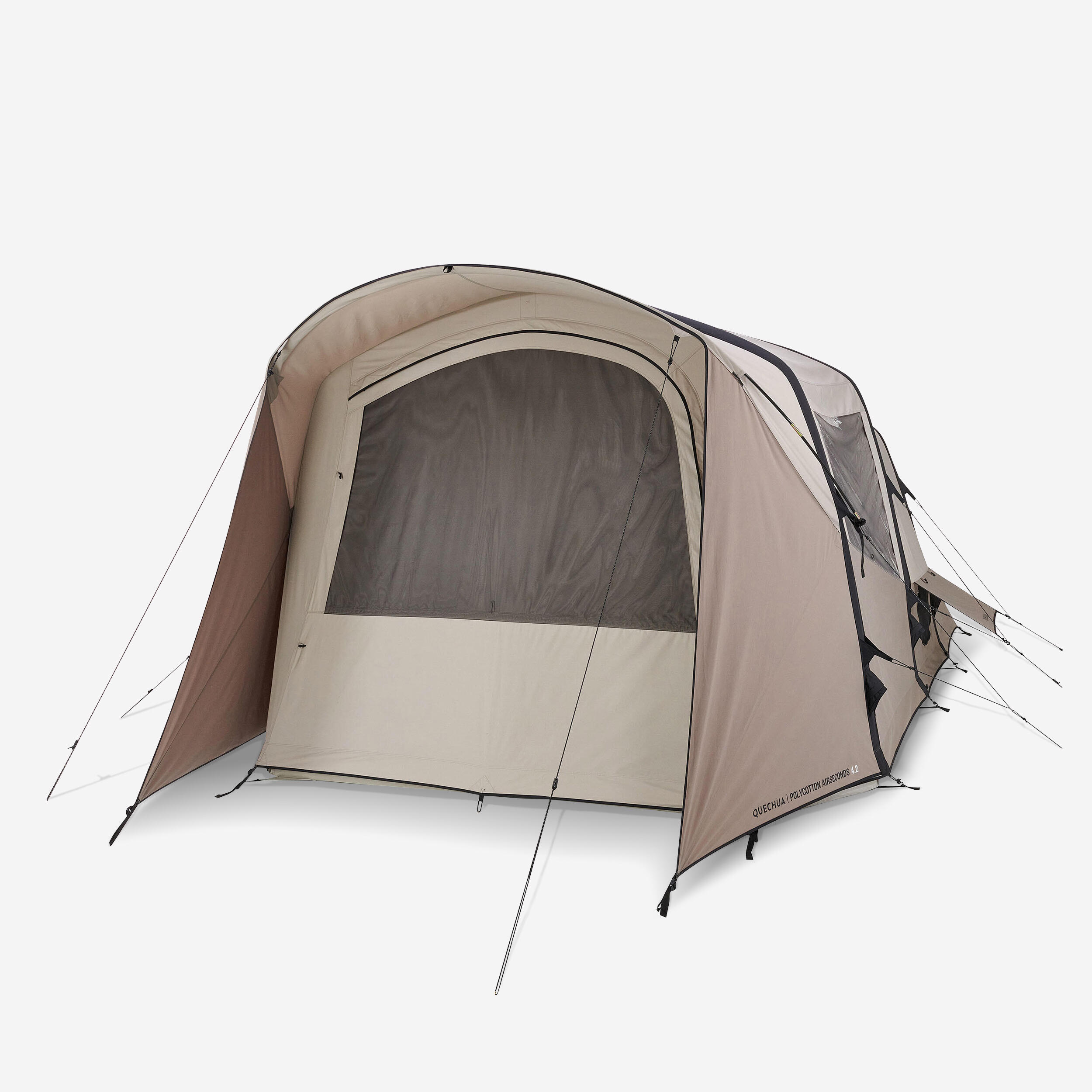
Scenario 3: The Budget-Conscious Couple (Emma & Tom - Decathlon Quechua Air Seconds 4.2)
Background: Young couple camping 4-5 times per summer. Budget: under £300. Read about inflatable tents but worried about cost.
Their Research: "We couldn't justify £600+ for something we'd use a few times per year. Found the Decathlon Air Seconds for £280 and decided to try it."
The Experience: "Honestly blown away by the quality for the price. It's not premium—the fabric isn't as thick as expensive brands, and there's only one valve for all beams—but it works brilliantly."
Three Years Later: "We're now in year three, still using the same tent. We've camped in rain, wind, and even some snow. No leaks, no failures. The zippers are showing slight wear, but nothing problematic."
The Value Lesson: "We were worried we'd regret buying 'cheap,' but this tent proved you don't need to spend £800 to get a good inflatable. Decathlon makes excellent budget options."
What They'd Change: "If we were buying again with more budget, we'd get one with single-point inflation. Having to pump each beam separately adds 5 minutes. Not a dealbreaker, just less convenient than premium models."
Scenario 4: The Glamping Operation Owner (Sarah - Multiple Outwell Tents)
Background: Runs a small glamping site with 8 pre-pitched tents. Replaced all pole tents with Outwell inflatables over two years.
Business Reasoning: "Durability was my biggest concern. Guests aren't always careful, and I needed tents that would survive season after season with minimal maintenance."
The Data: "Three years in, and the inflatable tents have required LESS maintenance than the pole tents they replaced. I've had zero air beam failures. Meanwhile, with pole tents, I was replacing bent or snapped poles monthly."
Guest Feedback: "Guests love them. Many say they're considering buying inflatables for their own camping after staying in ours. The spaciousness and quick setup (when I need to re-pitch for cleaning) are huge benefits."
Cost Analysis: "Initial investment was higher—about £950 per tent vs. £400-500 for quality pole tents. But maintenance costs are lower, and they've lasted longer. I'm projecting 7-8 year lifespan vs. 4-5 years for my old pole tents."
Pro Tip for Other Operators: "Buy tents with easily replaceable parts. Outwell sells replacement beams, valves, and even whole beam sets. This extends tent life significantly—I've replaced one beam on one tent; everything else is original."
Scenario 5: The Skeptical Convert (David - Berghaus Air 4)
Background: Camped with pole tents for 20 years. Owned a trusty Vango pole tent that "never let me down." Wife suggested an inflatable; he resisted.
The Resistance: "I didn't see the problem with pole tents. Sure, setup took time, but I knew my tent inside-out. Why fix what isn't broken?"
What Changed His Mind: "My wife bought an inflatable as a surprise. I was actually annoyed—felt like a waste of money. First camping trip, I grudgingly pitched it. 12 minutes later, I was sitting with a beer watching other campers struggle with poles. That's when it clicked."
The Honest Admission: "I was wrong. Completely wrong. The convenience isn't lazy—it's smart. Why spend 40 minutes on a task that takes 12? I still use my old pole tent occasionally (hiking trips where weight matters), but 90% of the time, I grab the inflatable."
What Surprised Him Most: "The wind performance. We hit a storm at a coastal campsite—40mph gusts. The inflatable tent flexed and swayed but never felt unstable. My old pole tent would've been straining and creaking. The flexibility is genuinely better engineering."
His Advice: "If you're like me—set in your ways, loyal to pole tents—just try an inflatable once. Borrow one or rent one. You'll probably have the same 'why didn't I do this sooner' moment I did."
Common Patterns Across All Scenarios
Analyzing these and dozens of other user experiences reveals consistent patterns:
- The "One Trip" Conversion: Almost everyone who tries an inflatable tent once becomes an advocate. The convenience isn't theoretical—you feel it immediately.
- Reduced Setup Stress: The psychological benefit of faster setup is underestimated. Arriving tired and getting camp established quickly improves the entire trip.
- Backup Pump Lesson: Everyone who forgets their pump once never forgets again. The solution is simple: permanent backup pump clipped to tent bag.
- Durability Fears Unfounded: Real-world failure rates are very low. Most issues are fixable. Beam punctures are rarer than pole snapping.
- Weight Matters Only for Specific Users: Car campers don't care about 2-3kg extra. Backpackers do. Motorcycle/bicycle tourists need to evaluate case-by-case.
- Budget Options Work: You don't need premium brands to get a good experience, but avoid unknown cheap brands.
- Solo Campers Love Them Most: The ability to pitch alone, quickly, is transformative for solo travelers.
- Festival Campers See Biggest Time Savings: Fast setup at festivals (late arrival, tight spaces) is where inflatables shine brightest.
The Questions No One Asks (But Should)
"Will other campers judge me?"
Opposite problem: expect questions, admirers, and requests to look inside your tent. Inflatable tents generate curiosity and envy.
"Can I still feel like a 'real' camper?"
If you believe suffering builds character, an inflatable tent might threaten your identity. If you believe camping is about enjoying nature, not fighting equipment, you'll love it.
"What if I grow to rely on it and can't camp without it?"
This is like worrying you'll rely on GPS and lose your map-reading skills. Convenience tools are progress, not weakness. You CAN still pitch a pole tent if needed.
"Will my kids miss out on learning 'proper' camping?"
Your kids will learn the same outdoor skills, fire building, outdoor cooking, and nature appreciation whether they arrived via 10-minute or 40-minute tent setup. The tent is transportation to the experience, not the experience itself.
13. Final Verdict and Recommendations
The Honest Summary
After analyzing inflatable tents from every angle—performance, durability, fears, edge cases, maintenance, and value—here's the straightforward truth:
Inflatable tents are NOT for everyone, but for the right user, they're genuinely transformative.
If you're a car camper, festival-goer, family camper, or touring enthusiast who camps regularly, an inflatable tent will likely become your favorite piece of gear. The time savings, ease of setup, and elimination of pole frustrations aren't marketing hype—they're real, meaningful advantages that improve your camping experience.
If you're a budget-conscious occasional camper, ultralight backpacker, or someone happy with their current tent, the premium price isn't justified. Pole tents remain excellent, proven technology that works brilliantly for millions of campers.
Who Should Buy an Inflatable Tent?
Strong "Yes" Candidates:
- Families with young children
- Festival regulars
- Solo campers who pitch alone
- Frequent car campers (5+ trips/year)
- Those with mobility limitations
- Touring campers moving sites regularly
- Anyone who's ever snapped a pole and said "never again"
Maybe – Think Carefully:
- Occasional campers (2-3 trips/year) — consider if convenience justifies cost
- Budget under £400 — stick to proven budget brands or consider used
- Motorcycle/bicycle tourists — weight penalty matters; evaluate carefully
Probably No:
- Backpackers prioritizing weight
- Once-per-year campers
- Those camping in extremely remote areas with no backup plan
- Anyone on a very tight budget (under £200)
Our Top Recommendations by Category
Best Overall Value:
- £400-£600 range: Vango AirBeam series, Coleman Weathermaster series
- Why: Perfect balance of quality, features, and price for regular use
Best Budget Option:
- Under £300: Decathlon/Quechua Air Seconds series
- Why: Surprisingly good quality for price, great for testing inflatable lifestyle
Best Premium Choice:
- £800+: Outwell, High-end Vango Nightfall series
- Why: Exceptional build quality, innovative features, great warranty
Best for Windy Conditions:
- Berghaus AirZone series
- Why: Tunnel design, robust construction, proven wind performance
Best for Touring/Frequent Setup:
- Zempire Pronto series
- Why: Ultra-fast setup (5-10 min), compact, durable
The Bigger Picture: Where Inflatable Tent Technology is Headed
Inflatable tents are NOT a passing fad. They represent the natural evolution of tent design, similar to how automatic transmissions eventually became standard in cars despite initial resistance.
Trends to Watch:
- Lighter materials bringing weight closer to pole tent equivalents
- Self-inflating technology (built-in electric pumps)
- Solar-powered pressure maintenance systems
- Biodegradable/sustainable materials
- Integrated smart features (pressure monitoring, app connectivity)
- Continued price reductions as technology matures
Ten years ago, inflatable tents were expensive novelties. Today, they're mainstream. Ten years from now, they'll likely be the default choice for family and car camping.
Final Thoughts: Making Your Decision
Here's a simple decision framework:
- How often will you use it? More than 3 times/year → serious consider inflatable
- What's your budget? Under £300 → budget brand or used; £400-£700 → sweet spot; Over £700 → go premium if you want
- How important is setup time? Critical → inflatable wins; Doesn't matter → either works
- How are you transporting it? Car/van → inflatable fine; Backpack → stick with poles
- What's your experience level? Beginner → inflatable easier; Experienced → either works well
Still unsure? Consider this approach: Buy a mid-range inflatable tent (£400-£600) from a reputable brand with a good return policy. Use it for one camping trip. If you love the convenience, keep it. If you're unimpressed, return it and stick with poles. The difference becomes obvious immediately—you'll know after one pitch whether inflatables are for you.
🎯 Bottom Line
Inflatable tents work brilliantly for car camping, festivals, and touring. The fears about punctures, deflation, and durability are largely unfounded. The technology is mature, reliable, and genuinely convenient. The premium price is justified IF you camp regularly. If you're a frequent camper who's been curious about inflatable tents, take the plunge—you'll likely wonder why you waited so long. If you're an occasional camper or backpacker, the traditional pole tent remains an excellent, cost-effective choice.
The inflatable tent revolution is real. The question isn't whether inflatable tents work—they do. The question is whether the advantages matter to YOU.
This comprehensive guide represents the current state of inflatable tent technology as of 2025. Technology evolves, manufacturers improve, and new innovations emerge. Always research specific models and read recent reviews before purchasing. Happy camping!

